


In horse racing, the condition of the track can be just as important as the ability of the runners. A horse may have an impressive record at a particular distance, but changing weather and racing surfaces can create an entirely different challenge.
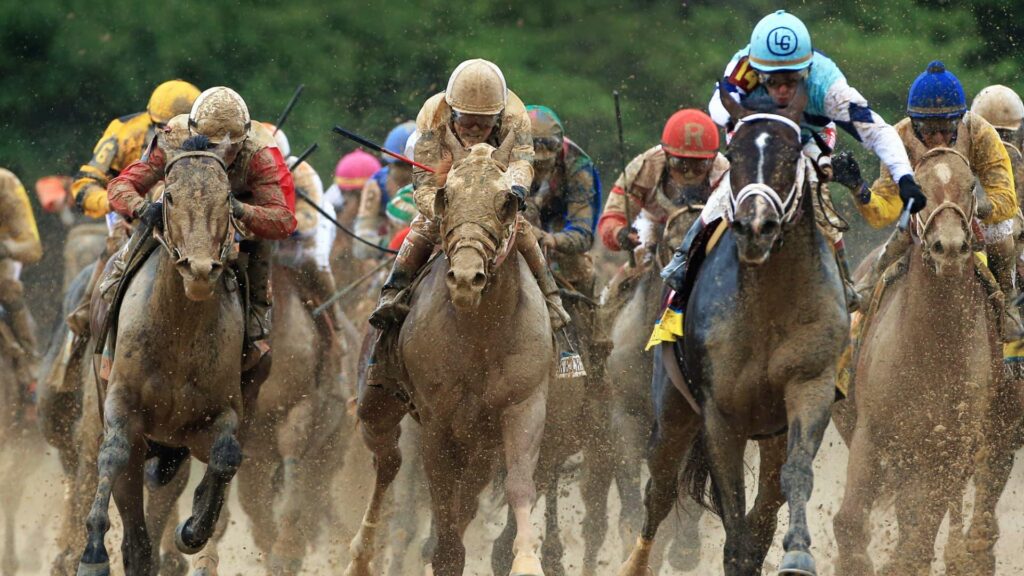
Understanding track conditions is an important part of appreciating how races develop and why horses sometimes produce different performances from one meeting to another.
Why Track Conditions Matter
Every racecourse has its own characteristics. The surface, drainage, weather and maintenance all contribute to how a track performs.
Some horses appear particularly comfortable on firmer ground, while others may handle softer conditions more effectively.
A change in the surface can influence stride, balance, traction and the amount of effort required during a race.
Firm and Dry Conditions
When a track is relatively dry and firm, the racing surface may provide a different level of resistance compared with a rain-affected course.
Some horses perform well under these conditions, particularly when their previous results suggest they are comfortable on firmer ground.
However, a firm surface is not automatically suitable for every runner. Individual preferences and the horse’s overall condition remain important considerations.
Soft and Heavy Tracks
Rain can significantly alter the nature of a racecourse.
Softer ground may create additional resistance, requiring horses to use their energy differently. Heavy conditions can make races particularly demanding, especially over longer distances.
Horses with previous experience in rain-affected conditions may have an advantage in terms of familiarity, although past performances never guarantee future results.
Weather and Track Maintenance
Racecourse teams play an important role in maintaining safe and consistent racing surfaces.
Weather monitoring, irrigation, drainage and track inspections all contribute to the management of racing venues.
Conditions can change between races, particularly when rainfall or other weather events affect the course throughout the day.
This is why official track updates are important for participants and racing followers.
Understanding Track Ratings
Racing publications often provide an official track rating to describe the condition of the surface.
These ratings help readers compare conditions across different meetings. However, rating systems and terminology can vary between racing jurisdictions.
It is important to consult the relevant official racecourse or racing authority information rather than assuming every rating system uses identical definitions.
A Valuable Part of Race Analysis
Track conditions add another layer to horse racing analysis. They encourage readers to look beyond a horse’s finishing position and consider the circumstances in which each performance occurred.
A well-informed racing follower considers the surface, weather, distance and individual characteristics of each runner.
At FreeRead.com.au, understanding the ground beneath the horses is another way to better understand the sport itself.