

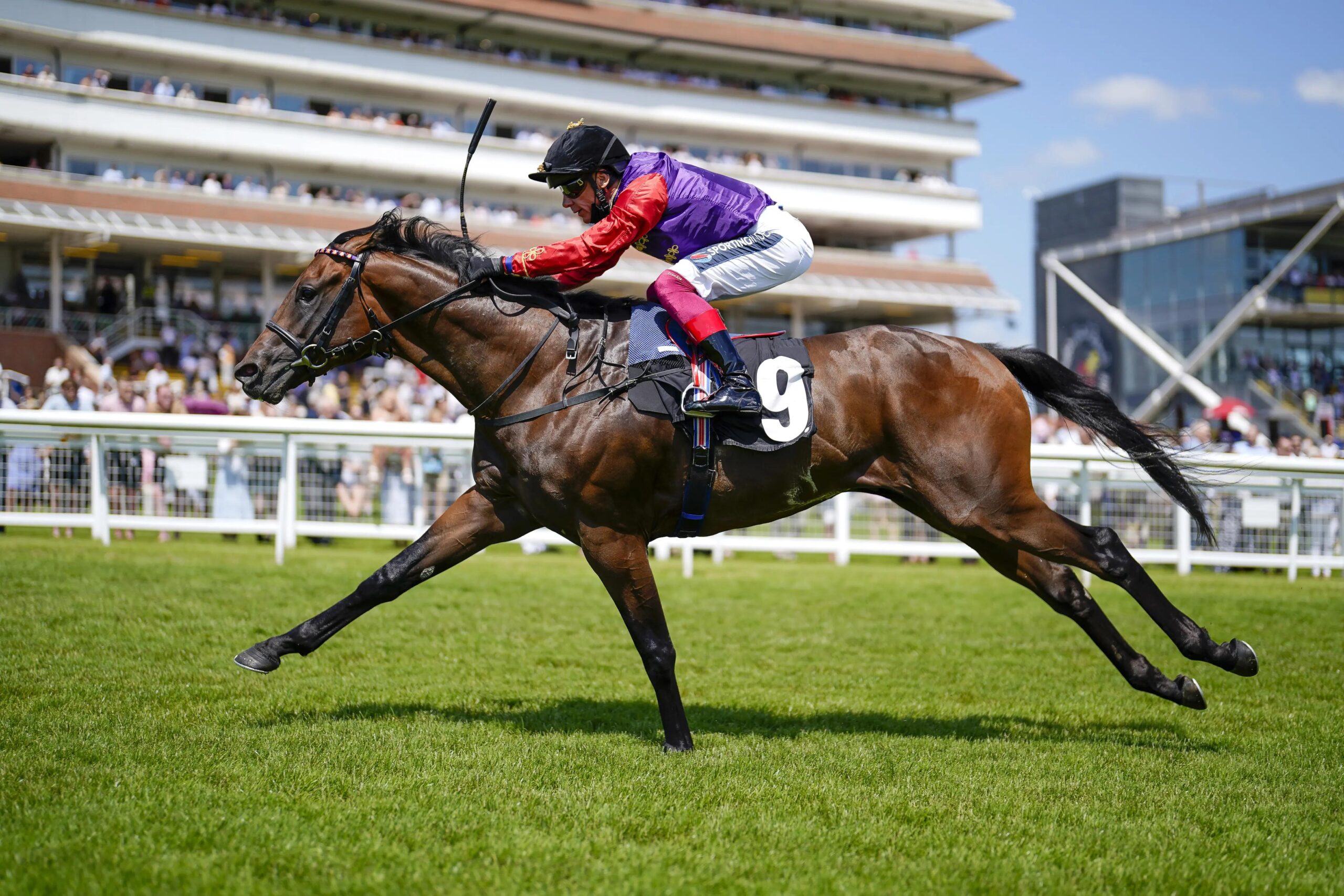
Horse racing is a partnership between horse and jockey. While the horse provides the athletic ability, the jockey brings experience, balance, judgement and tactical awareness to the competition.
A successful ride requires much more than simply guiding a horse around a track. Jockeys must understand racing conditions, respond to changing situations and make decisions within a very short period.
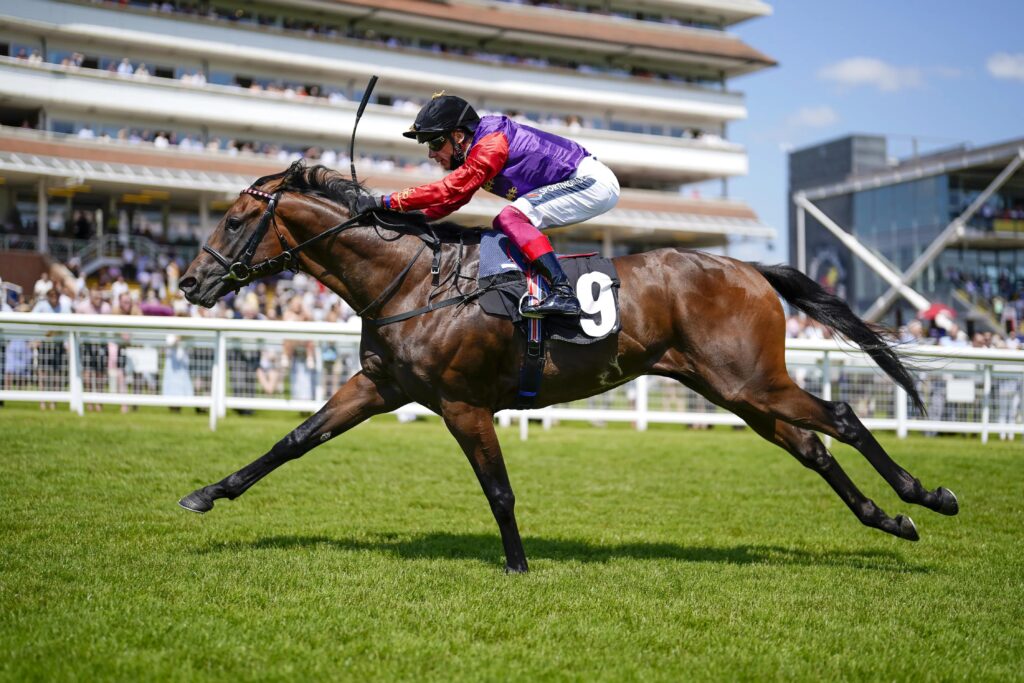
Their contribution is one of the most important parts of modern horse racing.
Balance and Riding Technique
A jockey’s position can influence how effectively a horse moves during a race. Maintaining balance while travelling at speed requires strength, coordination and considerable practice.
Jockeys develop specialised riding techniques to work with a horse’s natural movement while managing their own position throughout the contest.
This physical skill is supported by fitness, discipline and regular training.
Understanding Race Pace
Race tactics can vary considerably depending on distance, field size and the characteristics of the runners.
Some horses prefer to settle towards the front, while others perform better when positioned further back before making a late challenge.
Jockeys must assess the developing race and decide when to conserve energy, improve position or ask their horse for a stronger effort.
Timing can make a significant difference, particularly in closely contested finishes.
Reading the Competition
A race is constantly changing. Positions shift, gaps open and close, and horses respond differently as the pace develops.
An experienced jockey must remain aware of surrounding runners while also concentrating on the horse underneath them.
Understanding the track layout, potential racing positions and the behaviour of competitors forms part of the strategic side of the profession.
The Partnership with the Horse
Familiarity can be valuable when a jockey regularly rides the same horse. Learning how a horse responds to instructions, settles during a race and handles different situations can help develop a stronger working partnership.
Communication between the jockey and the horse is built through consistent handling and experience.
Trainers also play an important role by providing information about a horse’s preferred racing style and preparation.
A Demanding Profession
Professional jockeys face demanding physical and mental requirements. Fitness, concentration, discipline and an ability to manage pressure are essential parts of the job.
They must also follow racing regulations and work within the safety procedures established by racing authorities.
Jockeys are often recognised for their victories, but their profession involves years of preparation and dedication.
The next time a race reaches its final stages, look beyond the finish line. Every decision, movement and tactical adjustment reflects the skill of the person guiding the horse.