

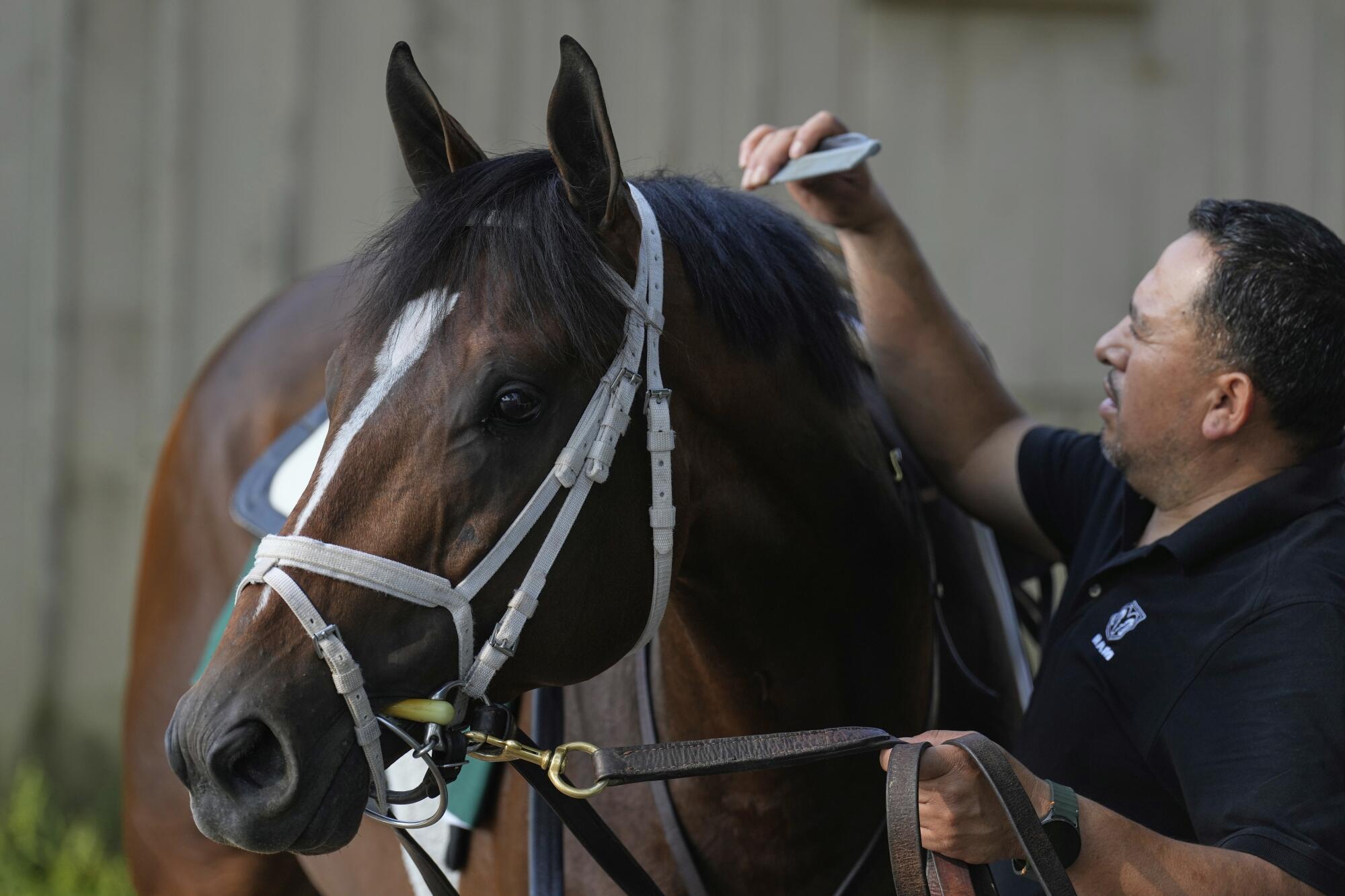
When spectators watch a horse racing event, the attention naturally focuses on the horses, jockeys and finishing positions. Yet every race is supported by a much larger community of professionals whose work often takes place away from the spotlight.
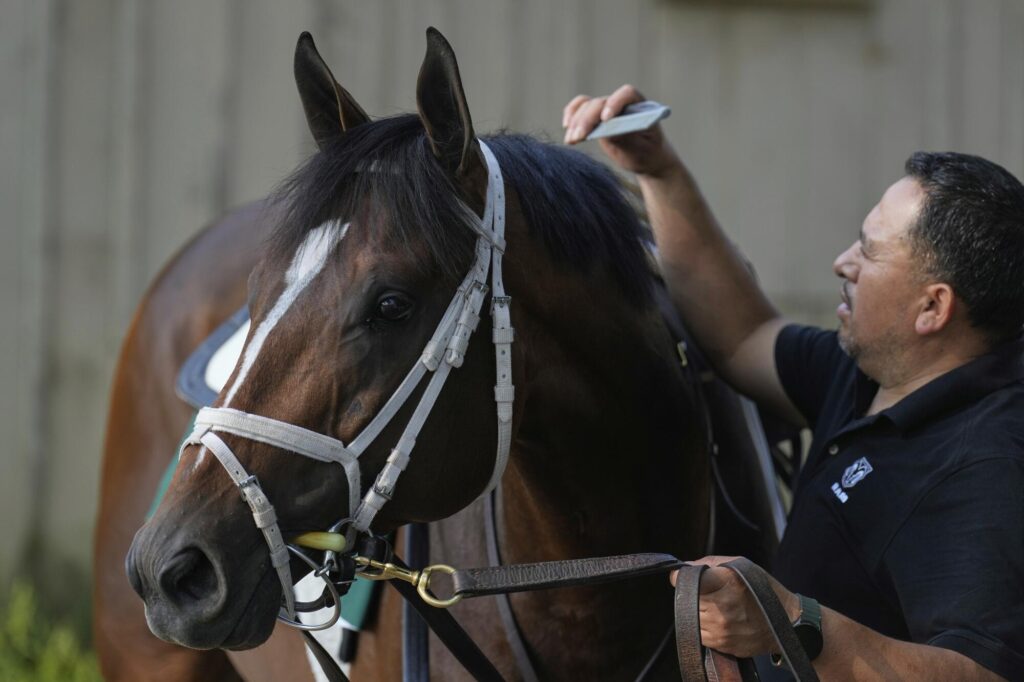
From trainers and stable staff to veterinarians, farriers and racecourse officials, horse racing depends on the contribution of many different people.
Their dedication helps make each racing meeting possible.
Trainers: Planning Every Step
Trainers play a central role in preparing racehorses for competition. They develop individual training programmes, monitor performance and make decisions about which races may suit a particular horse.
Their responsibilities extend beyond physical preparation. Trainers must also work closely with owners, stable employees and veterinary professionals to ensure that horses receive appropriate care.
Understanding each horse as an individual is an important part of the job.
Stable Staff: The Everyday Commitment
Stable staff are among the most important people in a racehorse’s daily life.
Their responsibilities can include feeding, grooming, cleaning stables, preparing equipment and monitoring horses throughout their routines.
They often develop a close familiarity with the horses under their care, allowing them to recognise changes in behaviour, appetite or general condition.
Much of this work happens early in the morning and continues long after the public attention has moved elsewhere.
Veterinarians and Farriers
Veterinary professionals contribute to horse health through examinations, treatment and ongoing care.
Farriers also play an important role by managing hoof care and helping maintain the horse’s comfort and soundness.
Both professions require specialised knowledge and an understanding of equine needs.
Their work supports the wider commitment to responsible horse management.
Owners and Breeders
Owners provide the financial and organisational support required to maintain a racing career.
Breeders contribute to the future of the sport by making decisions about bloodlines, breeding programmes and the development of future generations of racehorses.
Their involvement helps connect the racing industry’s present with its future.
Racecourse Teams and Officials
A successful racing meeting requires extensive organisation.
Racecourse employees manage facilities, track preparation and event operations, while racing officials oversee competitions and ensure that applicable rules and procedures are followed.
Safety, organisation and effective communication are essential throughout a meeting.
Life Beyond the Racecourse
The responsibility towards a racehorse does not end when its competitive career finishes.
Retirement planning, retraining and appropriate aftercare are important considerations within the racing industry.
Every horse deserves suitable care throughout its life, including after it leaves competition.
Celebrating the Wider Racing Community
Horse racing is a sport built on teamwork. The winning moment may belong to a horse and jockey, but the journey behind that success involves an entire community.
Recognising these people gives racing followers a deeper appreciation of the industry and the commitment required to keep it moving.
At FreeRead.com.au, we believe every race has a story, and some of the most interesting stories belong to the people working behind the scenes.